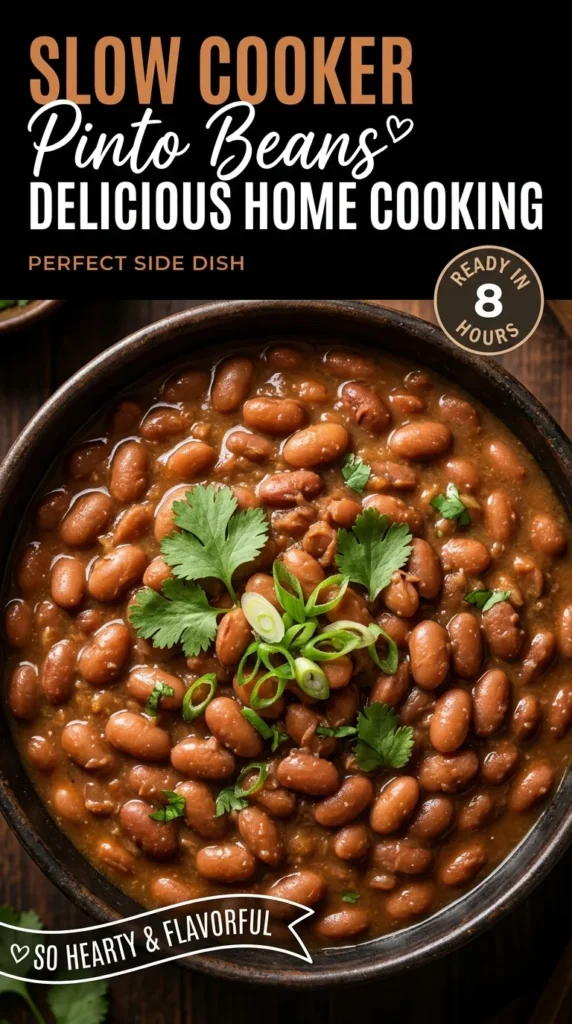
The combination of smoky paprika and a hint of cumin creates a warm, earthy depth that defines these beans. This pairing works because the spice notes cut through the natural creaminess of the legumes.
This recipe is a comforting slow cooker staple. It transforms dry beans into a tender, savory side or main dish with minimal active effort.
Many home cooks appreciate how the low heat allows the flavors to meld without the risk of burning the bottom of the pot.
One specific feature that distinguishes this version is the addition of a small amount of oil or fat at the start, which helps the beans achieve a smoother, more uniform texture.
These homemade beans offer a cleaner taste and better texture than canned versions, which often contain excess sodium and metallic aftertastes.
This dish is ideal for anyone looking to increase their plant-based protein intake on a budget.
The following guide provides everything needed to master this simple yet satisfying recipe.
- ●Why You’ll Love This Recipe
- ●A Brief Background / Why This Recipe Works
- ●Perfect For Meal Prep and Family Dinners
- ●Main Ingredient Spotlight: Pinto Beans
- ●Secondary Ingredient Spotlight: Garlic and Onion
- ●Key Ingredients
- ●How to Make It
- ●Pro Tips
- ●Delicious Variations
- ●Best Ways to Serve
- ●Storage and Leftovers
- ●Frequently Asked Questions
- ●Why This Recipe Belongs in Your Weekly Rotation
- ●Final Thoughts
Preparing beans in a slow cooker removes the stress of monitoring a stovetop pot for several hours. This method delivers consistent results every time.
- ●Hands-off cooking time allows you to focus on other tasks.
- ●Cost-effective ingredients make this a budget-friendly option.
- ●High protein and fiber content keep you full longer.
- ●The slow simmer creates a naturally thick, creamy broth.
- ●Easy cleanup since everything happens in one ceramic pot.
- ●Customizable seasoning options to suit different regional tastes.
- ●Perfect for freezing in large batches for future use.
- ●Naturally gluten-free and vegan-friendly.
This recipe provides a reliable foundation for countless different meals throughout the week.
A Brief Background / Why This Recipe Works |
Pinto beans are prized for their ability to absorb surrounding flavors while maintaining a creamy interior. The slow cooker environment is ideal for this because it maintains a steady, low temperature that breaks down the complex starches slowly.
Using dry beans instead of canned allows for better control over the salt levels and liquid consistency. The prolonged soaking and cooking process ensures the beans are tender all the way through without splitting the skins.
The inclusion of aromatics like onion and garlic adds layers of flavor that penetrate the beans deeply. This results in a cohesive dish where the broth is just as flavorful as the legumes themselves.
Perfect For Meal Prep and Family Dinners |
These beans are a fantastic option for busy weeknights because you can start them in the morning and return to a finished meal. They pair well with other slow cooker favorites like the Exquisite Slow Cooker Pork And Sauerkraut Recipe for a hearty spread.
For those who meal prep, a large pot of pinto beans serves as a versatile protein source for lunches. You can portion them out into containers and add different toppings each day to keep the meals interesting.
Family dinners benefit from the mild flavor profile of these beans, making them appealing to children and adults alike. They can be served as a side dish or transformed into a main course with rice and avocado.
Main Ingredient Spotlight: Pinto Beans |
Pinto beans are the star of this recipe due to their distinct texture and mild, nutty flavor. When cooked slowly, they release natural starches that thicken the cooking liquid into a rich gravy.
They provide a substantial amount of plant-based protein and dietary fiber. This makes them an excellent choice for maintaining energy levels throughout the day.
Secondary Ingredient Spotlight: Garlic and Onion |
Fresh garlic and onion provide the essential aromatic base for the beans. These ingredients add a savory depth that prevents the dish from tasting flat or one-dimensional.
The onion softens and almost melts into the broth during the long cook time, contributing to the overall body of the liquid. Garlic adds a pungent, sharp note that balances the sweetness of the beans.
Key Ingredients |
Each component plays a specific role in achieving the final flavor and consistency.
- ●Pinto Beans — These provide the main structure and a creamy, starchy texture.
- ●Water — This serves as the cooking medium to hydrate and soften the legumes.
- ●Onion — This adds a foundational sweetness and savory depth to the broth.
- ●Garlic — This introduces a bold, aromatic punch.
- ●Smoked Paprika — This brings a hint of wood-fired flavor without needing actual smoked meats.
- ●Cumin — This adds an earthy, warm undertone.
- ●Salt — This enhances all other flavors and helps tenderize the beans.
- ●Black Pepper — This provides a subtle heat and brightness.
- ●Olive Oil — This helps create a smoother bean texture and prevents foaming.
How to Make It |
Follow these steps to ensure your beans are perfectly tender and the broth is rich.
- Rinse and sort the beans: Place the dry beans in a colander and rinse them under cold water. Check for small stones or shriveled beans and discard them to avoid unpleasant surprises during eating.
- Soak the legumes: Cover the beans with several inches of water and let them sit for at least 8 hours or overnight. This reduces the cooking time and helps the beans cook more evenly; avoid skipping this step to prevent tough beans.
- Prepare the slow cooker: Drain the soaking water and add the beans to the ceramic pot. Pour in fresh water until the beans are covered inches of liquid, ensuring they have enough room to expand.
- Add the aromatics: Stir in the chopped onion, minced garlic, and olive oil. The oil helps the beans stay creamy, and the aromatics should be evenly distributed so every bite has flavor.
- Season the pot: Add the smoked paprika, cumin, black pepper, and salt. Stir the mixture well to ensure the spices are incorporated and not clumped on top of the water.
- Set the cooking time: Cover the pot with a tight-fitting lid and set the machine to low for 8 to 10 hours. A low setting is preferred over high to prevent the skins from bursting while the centers remain hard.
- Check for tenderness: Test a few beans against the side of the pot with a spoon. They should mash easily without any resistance in the center; if they are still firm, add another hour of cooking.
- Adjust the final seasoning: Taste the broth and add a pinch more salt or pepper if needed. Avoid adding salt too early in the process, as some believe it can toughen the bean skins.
1Small adjustments can lead to a much better final result.
- ●2Use a pinch of baking soda: Adding a small amount of baking soda to the soaking water can help soften the skins of older beans.
- ●3Avoid acidic ingredients early: Do not add tomatoes or lemon juice until the beans are fully tender, as acid can prevent them from softening.
- ●4Control the thickness: If the broth is too thin, mash a handful of beans against the side of the pot and stir them back in to thicken the liquid.
- ●5Fresh vs. Dried Herbs: Use dried spices for a deeper, more integrated flavor, but stir in fresh cilantro or parsley at the very end for brightness.
- ●6Check liquid levels: If you notice the water has evaporated too much, add a cup of boiling water to keep the beans submerged.
Delicious Variations |
You can easily adapt this recipe to fit different dietary preferences or flavor cravings.
- ●Smoky Bacon Version: Add diced raw bacon or a smoked ham hock at the beginning for a traditional salty flavor.
- ●Spicy Kick: Stir in a diced jalapeño or a teaspoon of crushed red pepper flakes with the garlic.
- ●Vegetarian Umami: Replace the salt with a tablespoon of soy sauce or tamari for a richer, deeper color and taste.
- ●Herby Twist: Add a bay leaf and a sprig of thyme during the cooking process for a more floral aroma.
- ●Maple Glazed: Stir in a tablespoon of maple syrup at the end for a subtle sweet and savory contrast.
These variations allow you to use the same base recipe for different occasions and tastes.
Best Ways to Serve |
These beans are versatile and can be presented in many different ways depending on the meal.
- ●As a side dish for grilled meats or roasted vegetables.
- ●Served over steamed white or brown rice for a complete vegetarian meal.
- ●Spoonned into warm corn tortillas with shredded cabbage and lime.
- ●Topped with a dollop of sour cream and chopped scallions.
- ●Mixed into a hearty stew with diced carrots and potatoes.
For a simple dinner, serve the beans in a bowl with a side of crusty bread to soak up the flavorful broth. This makes the meal feel complete and satisfying.
If you are serving a crowd, place the beans in a warming crock with a variety of toppings on the side, such as diced onions, pickled jalapeños, and fresh cilantro.
Storage and Leftovers |
Refrigerating
Store the cooled beans in an airtight container in the fridge for up to 5 days. The broth will likely thicken significantly as it cools, which is normal.
Reheating
Heat the beans on the stovetop over medium-low heat. Add a splash of water or broth to loosen the consistency and return them to a gentle simmer before serving.
Freezing
Freeze the beans in freezer-safe bags or containers for up to 6 months. Thaw them in the refrigerator overnight before reheating on the stove or in a microwave.
Frequently Asked Questions |
- ●Q: Can I use canned beans instead of dry?A: Yes, you can use canned beans, but the cooking time is significantly reduced to about 2-3 hours on low. Canned beans are already cooked, so you are essentially just simmering them with the aromatics to infuse the flavor.
- ●Q: Why are my beans still hard after 8 hours?A: This usually happens because the beans are old or were not soaked properly. Older beans take longer to hydrate and break down. You may need to add more time or ensure you use a fresh batch of dried legumes.
- ●Q: Do I really need to soak the beans overnight?A: While a quick soak is possible, an overnight soak is recommended for the best texture. It helps remove certain sugars that cause digestive upset and ensures that the beans cook evenly throughout the entire pot.
- ●Q: Can I add salt at the beginning of the cooking process?A: Some cooks prefer adding salt at the end to ensure the skins soften. However, adding a moderate amount at the start can help the salt penetrate the interior of the bean, though it may slightly increase the cooking time.
- ●Q: What can I use if I don’t have smoked paprika?A: You can substitute smoked paprika with a combination of regular paprika and a tiny drop of liquid smoke. Alternatively, adding a piece of smoked meat like a ham hock will provide the necessary smoky profile.
Why This Recipe Belongs in Your Weekly Rotation |
Incorporating this recipe into your routine simplifies your eating habits while improving your nutrition. The high fiber content of pinto beans supports digestive health and keeps you feeling satisfied for longer periods.
It is a rare dish that is equally suitable as a side for a holiday feast or a quick Tuesday lunch. The low effort required for preparation means you can eat healthy, homemade food even during your busiest weeks.
Once you have a batch of these beans ready, you have a foundation for salads, tacos, and soups. This efficiency makes the slow cooker a vital tool for any home kitchen.
Final Thoughts |
Slow cooker pinto beans provide a creamy, savory experience that rivals any restaurant side dish. pantry staples and a low-and-slow cooking method, you achieve a professional texture and deep flavor.
This recipe is worth making for its ease of preparation and its versatility across different cuisines. It removes the guesswork from cooking legumes and provides a reliable, nutrient-dense meal option.
Start your next batch today and enjoy the comforting aroma filling your home.
Slow Cooker Pinto Beans
- Total Time: 0 hours
- Yield: 6 servings 1x
Description
Hearty and creamy pinto beans simmered in a slow cooker with savory garlic, onion, and smoky paprika for a comforting side or main dish.
Ingredients
- 1 lb dry pinto beans, sorted and soaked overnight
- 6 cups water
- 1 medium yellow onion, finely diced
- 4 cloves garlic, minced
- 1 tablespoon olive oil
- 1 teaspoon smoked paprika
- 1 teaspoon ground cumin
- 1 teaspoon salt
- 1/2 teaspoon black pepper
Instructions
- Rinse the dry pinto beans thoroughly and soak them in water for at least 8 hours or overnight, then drain.
- Place the soaked beans into the slow cooker ceramic pot.
- Add 6 cups of fresh water, diced onion, minced garlic, and olive oil.
- Stir in the smoked paprika, ground cumin, salt, and black pepper until well combined.
- Cover the pot with the lid and cook on the Low setting for 8 to 10 hours.
- Check the beans after 8 hours; they should be tender and easily mashed with a fork.
- Taste the broth and add additional salt or pepper if desired before serving.
- Prep Time: 15 minutes
- Cook Time: 8-10 hours
- Category: Side Dish
- Method: Slow Cooking
- Cuisine: American