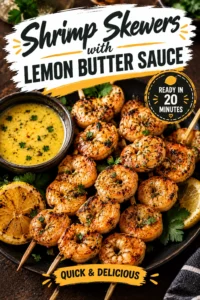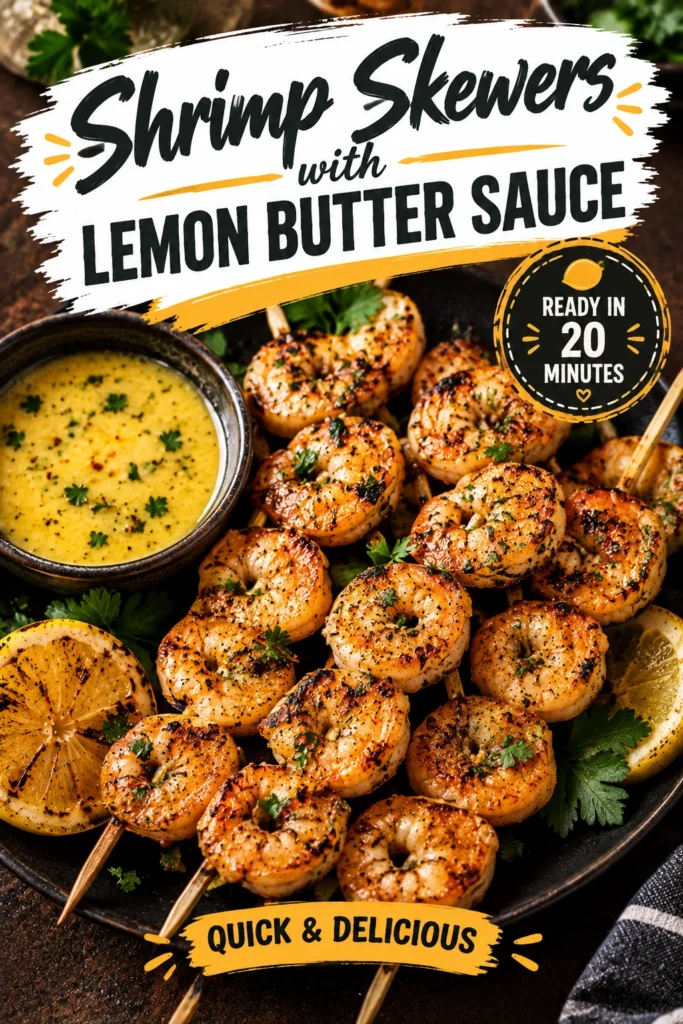
Expect a tender, snappy texture and a bright, citrusy finish that cuts through the richness of melted butter. This dish balances a light sear with a velvety sauce, creating a restaurant-quality result in your own kitchen.
These shrimp skewers combine marinated seafood with a quick-simmered lemon butter glaze. The cooking process is fast, making it an accessible choice for those who want an elegant meal without hours of preparation.
Home cooks value this recipe because it avoids the rubbery consistency often found in overcooked seafood. The focused cooking time keeps the proteins succulent and juicy.
This version stands apart from store-bought frozen skewers lemon juice and real butter, avoiding the artificial preservatives and salty glazes common in pre-packaged options.
Anyone from a busy parent to a host looking for a sophisticated appetizer will find this approach straightforward. It pairs well with other light dishes like Easy Baked Cod With Lemon Dill Sauce Ready In 30 Minutes
The process is streamlined to ensure the sauce remains emulsified and the shrimp stay tender. Following these specific steps leads to a consistent, flavorful outcome.
- ●Why You’ll Love This Recipe
- ●A Brief Background / Why This Recipe Works
- ●Perfect For Quick Weeknight Meals and Gatherings
- ●Main Ingredient Spotlight: Shrimp
- ●Secondary Ingredient Spotlight: Lemon and Butter
- ●Key Ingredients
- ●How to Make It
- ●Pro Tips
- ●Delicious Variations
- ●Best Ways to Serve
- ●Storage and Leftovers
- ●Frequently Asked Questions
- ●Why This Recipe Belongs in Your Weekly Rotation
- ●Final Thoughts
This dish provides a high-impact flavor profile with very little active effort, making it a reliable choice for a variety of occasions.
- ●Cooking time is minimal, often taking less than ten minutes on the grill or stove.
- ●The lemon butter sauce adds a luxurious feel without needing complex techniques.
- ●Skewering the shrimp makes them easy to handle and serve as finger food.
- ●Ingredients are widely available at any local grocery store.
- ●The recipe is naturally low-carb and gluten-free if served without sides.
- ●Preparation is simple enough for beginner cooks to master.
- ●It works equally well on an outdoor grill or an indoor cast-iron skillet.
- ●The brightness of the lemon prevents the butter from feeling too heavy.
These combined factors make the recipe a versatile addition to any seafood lover’s repertoire.
A Brief Background / Why This Recipe Works |
Shrimp are highly responsive to acidity and fat. The lemon juice tenderizes the surface of the shrimp slightly during the marinade phase, while the butter creates a protective barrier that locks in moisture during high-heat cooking.
Using skewers increases the surface area exposed to the heat. This allows for a quick sear on all sides, which develops a golden-brown crust through the Maillard reaction without overcooking the center of the shrimp.
The sauce is added toward the end or served as a dip to keep the butter from separating. This timing preserves the creamy consistency and ensures the fresh lemon notes remain vibrant.
Consistency is achieved shrimp uniform in size, ensuring every piece on the skewer reaches the ideal temperature at the same time.
Perfect For Quick Weeknight Meals and Gatherings |
Busy weeknights require recipes that move quickly from fridge to table. Since shrimp thaw rapidly and cook in minutes, this meal fits into a tight schedule without sacrificing nutrition or flavor.
Meal prep is simplified because the marinade can be prepared in advance. You can thread the skewers and keep them chilled, then grill them immediately upon returning home.
Family dinners benefit from the interactive nature of skewers. Children often find food on sticks more appealing, and the mild flavor of lemon butter is generally well-received .
Holiday appetizers or summer parties are elevated . It feels sophisticated when served on a platter, similar to the presentation of Juicy Garlic Butter Shrimp Skewers Easy Grilled Shrimp Appetizer Recipe
Main Ingredient Spotlight: Shrimp |
Shrimp are the centerpiece due to their ability to absorb bold flavors while maintaining a distinct, sweet oceanic taste. Their firm yet tender texture provides a satisfying contrast to the fluid nature of the butter sauce.
Depending on the size chosen, shrimp can change the dining experience. Large or jumbo shrimp are preferred for skewers because they do not curl too tightly, which prevents them from sliding off the stick during the flipping process.
Secondary Ingredient Spotlight: Lemon and Butter |
Butter serves as the primary fat source, providing a rich, creamy mouthfeel that carries the other flavors across the palate. It mellows the sharpness of the citrus and adds a nutty depth when slightly browned.
Fresh lemon juice provides the necessary acidity to balance the fat. The citric acid brightens the overall flavor profile and enhances the natural sweetness of the seafood.
Combining these two ingredients creates a classic emulsion. When whisked together over low heat, they form a cohesive sauce that clings to the shrimp rather than pooling at the bottom of the plate.
Key Ingredients |
Each component plays a specific role in balancing the richness of the butter with the freshness of the citrus.
- ●Shrimp — provides the main protein and a snappy texture.
- ●Butter — adds richness and a smooth, velvety consistency to the sauce.
- ●Lemon — supplies acidity to brighten the dish and cut through the fat.
- ●Garlic — introduces a pungent, savory depth that complements the seafood.
- ●Olive Oil — prevents the shrimp from sticking to the grill or pan.
- ●Paprika — gives the shrimp a warm color and a hint of earthiness.
- ●Parsley — adds a fresh, herbaceous finish and a pop of green color.
How to Make It |
Precision in temperature and timing is the key to avoiding rubbery shrimp. Follow these steps for a tender result.
- Prepare the skewers: Soak wooden skewers in water for at least 30 minutes. This step prevents the wood from burning or catching fire when exposed to high heat on the grill or pan.
- Marinate the shrimp: Toss the shrimp in a bowl with olive oil, minced garlic, paprika, salt, and pepper. Let them sit for 15 to 30 minutes; avoiding a longer soak is important because the acid in any added lemon would start to “cook” the shrimp, changing the texture.
- Thread the seafood: Slide the shrimp onto the skewers, leaving a small gap between each piece. If they are packed too tightly, the heat cannot circulate, and the sides of the shrimp will remain raw while the edges burn.
- Sear the skewers: Heat a grill or large skillet over medium-high heat. Cook the skewers for 2 to 3 minutes per side. Look for the shrimp to turn from translucent to an opaque pink color and develop a slight char.
- Prepare the lemon butter: Melt butter in a small saucepan over low heat. Stir in the lemon juice and a pinch of salt. Keep the heat low to prevent the butter from browning too quickly or the sauce from breaking.
- Glaze and finish: Brush the lemon butter sauce onto the skewers during the final minute of cooking. This allows the sauce to caramelize slightly without burning the milk solids in the butter.
- Garnish and serve: Remove the skewers from the heat immediately once they form a “C” shape. Sprinkle with fresh chopped parsley to add a fresh contrast to the rich butter.
1Small adjustments in technique can significantly improve the final quality of the dish.
- ●2Pat shrimp dry: Use paper towels to remove excess moisture from the shrimp before marinating. Dry surfaces sear better and develop a deeper brown crust.
- ●3Avoid overcooking: Remove shrimp from heat the moment they curl into a “C” shape. If they curl tightly into an “O”, they are likely overcooked and will be tough.
- ●4Use unsalted butter: This allows you to control the exact amount of salt in the sauce, preventing the dish from becoming too salty after the reduction.
- ●5Squeeze lemon fresh: Avoid bottled lemon juice, which often has a bitter aftertaste and lacks the bright, aromatic oils of a fresh fruit.
- ●6Warm the serving platter: Placing the skewers on a warm plate prevents the butter sauce from thickening or congealing too quickly before it reaches the table.
Delicious Variations |
You can easily adapt this base recipe to suit different dietary needs or flavor preferences.
- ●Spicy Garlic: Add a pinch of cayenne pepper or red chili flakes to the marinade for a subtle heat.
- ●Honey Lemon: Whisk a teaspoon of honey into the butter sauce for a sweet-and-sour profile.
- ●Herb-Infused: Swap parsley for fresh dill or cilantro to change the aromatic profile of the dish.
- ●Dairy-Free: Use a high-quality vegan butter substitute or a blend of olive oil and lemon for a plant-based version.
- ●Pesto Twist: Brush the shrimp with a mixture of lemon butter and basil pesto for a Mediterranean flare.
These modifications allow you to rotate the recipe throughout the year without it feeling repetitive.
Best Ways to Serve |
The versatility of these skewers allows them to function as either a light main course or a decadent appetizer.
- ●Over a bed of fluffy quinoa or jasmine rice to soak up the extra butter sauce.
- ●Alongside grilled asparagus or sautéed spinach for a nutrient-dense meal.
- ●With a side of crusty sourdough bread to dip into the remaining lemon butter.
- ●On a large platter with a side of cocktail sauce or aioli for guests.
For a complete dinner, pair the shrimp with a light salad featuring arugula and shaved parmesan. The bitterness of the greens balances the richness of the butter.
If serving as an appetizer, place a small slice of grilled lemon under each skewer. This provides an aesthetic touch and allows guests to add extra acidity if desired.
Storage and Leftovers |
Refrigerating
Store cooked shrimp in an airtight container for up to 2 days. Keep the lemon butter sauce in a separate jar to maintain the texture of the seafood.
Reheating
Warm the shrimp in a skillet over medium heat for 1 to 2 minutes. Avoid the microwave, as it often makes shrimp rubbery and toughens the protein.
Freezing
Cooked shrimp can be frozen for up to 2 months. Wrap them tightly in foil and plastic wrap to prevent freezer burn, and thaw them in the refrigerator overnight.
Frequently Asked Questions |
- ●Q: Can I use frozen shrimp for this recipe?A: Yes, frozen shrimp work perfectly as long as they are fully thawed and patted dry. Ensure you thaw them in the refrigerator or under cold running water to maintain the texture before marinating.
- ●Q: Why do my shrimp become rubbery?A: Rubbery shrimp are almost always the result of overcooking. Because shrimp cook so quickly, even an extra minute on the heat can cause the proteins to tighten too much, resulting in a tough texture.
- ●Q: Do I have to use wooden skewers?A: You can use metal skewers, which are a great reusable option. Metal does not require soaking, though it can conduct more heat into the center of the shrimp, so monitor the cooking time closely.
- ●Q: How can I prevent the butter sauce from separating?A: Keep the heat low when melting the butter and stirring in the lemon juice. Avoid boiling the sauce, as excessive heat will cause the fat to separate from the liquid, leaving you with an oily glaze.
- ●Q: What is the best way to peel and devein shrimp?A: Use a small knife to make a shallow slit along the back of the shrimp to remove the vein. Leave the tails on for a better presentation and easier handling when eating from the skewers.
Why This Recipe Belongs in Your Weekly Rotation |
Adding seafood to your weekly menu provides essential omega-3 fatty acids and lean protein. This specific recipe removes the intimidation factor of cooking shrimp by using a simple, repeatable method that yields consistent results.
The efficiency of the process means you can enjoy a gourmet-style meal without the time commitment of a complex roast or stew. It bridges the gap between healthy eating and indulgent flavor.
Integrating this dish into your routine ensures you have a go-to option for those nights when you want something lighter than pasta but more exciting than a standard salad. It is a reliable, high-reward meal for any home cook.
Final Thoughts |
These shrimp skewers combine a zesty lemon butter glaze with a quick sear to produce a meal that is both light and satisfying. The process is streamlined, focusing on fresh ingredients and precise timing to ensure a tender result.
Whether you are catering to a crowd or preparing a quiet dinner for two, this recipe offers a sophisticated flavor profile with minimal cleanup. It proves that a few high-quality ingredients can create a memorable dining experience.
Bring a touch of brightness to your table tonight these succulent lemon butter shrimp.
Shrimp Skewers with Lemon Butter Sauce
- Total Time: 30 minutes
- Yield: 4 servings 1x
Description
Tender shrimp threaded on skewers and seared to perfection, finished with a rich and bright lemon butter sauce. A quick, elegant meal perfect for any night of the week.
Ingredients
- 1 lb jumbo shrimp, peeled and deveined (tails on)
- 2 tbsp olive oil
- 3 cloves garlic, minced
- 1 tsp paprika
- 1/2 tsp salt
- 1/4 tsp black pepper
- 4 tbsp unsalted butter
- 2 tbsp fresh lemon juice
- 1 tbsp fresh parsley, chopped
Instructions
- Soak wooden skewers in water for 30 minutes to prevent burning.
- In a bowl, toss shrimp with olive oil, minced garlic, paprika, salt, and pepper. Marinate for 15-30 minutes.
- Thread the marinated shrimp onto skewers, leaving a small gap between each piece.
- Heat a grill or skillet over medium-high heat and cook skewers for 2-3 minutes per side until opaque and pink.
- While shrimp cook, melt butter in a small saucepan over low heat and stir in lemon juice.
- Brush the lemon butter sauce onto the shrimp during the last minute of cooking.
- Remove from heat and garnish with fresh chopped parsley.
- Prep Time: 20 minutes
- Cook Time: 10 minutes
- Category: Dinner
- Method: Grilling
- Cuisine: American