Introduction |
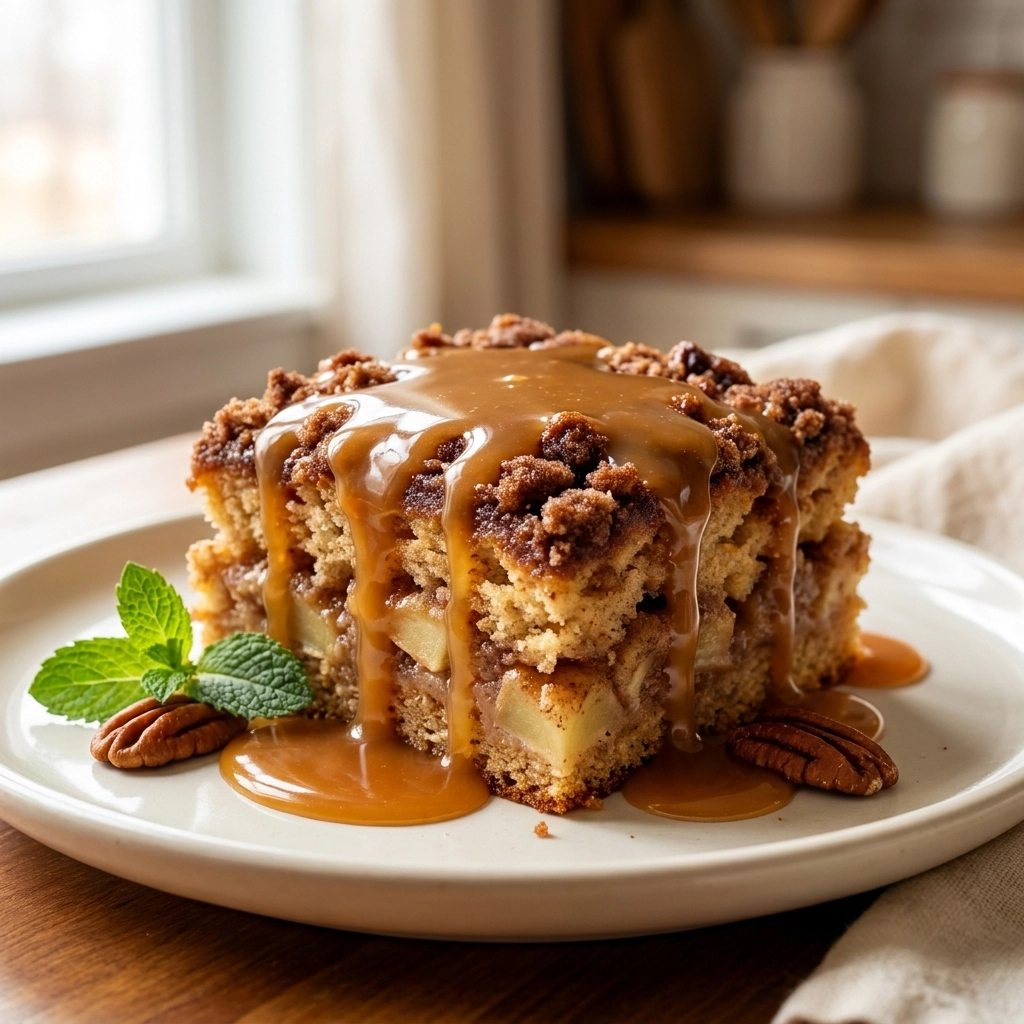
The concept of the ‘dump cake’ is deeply rooted in the American Midwest, where the ethos of pragmatic hospitality demands desserts that are both impressive and uncomplicated. This particular variation draws on the heritage of the autumn harvest, blending the rustic charm of orchard apples with the indulgent sweetness of a bakery-style roll. It represents a communal way of eating, designed for large family gatherings where the focus is on connection rather than the complexity of a recipe.
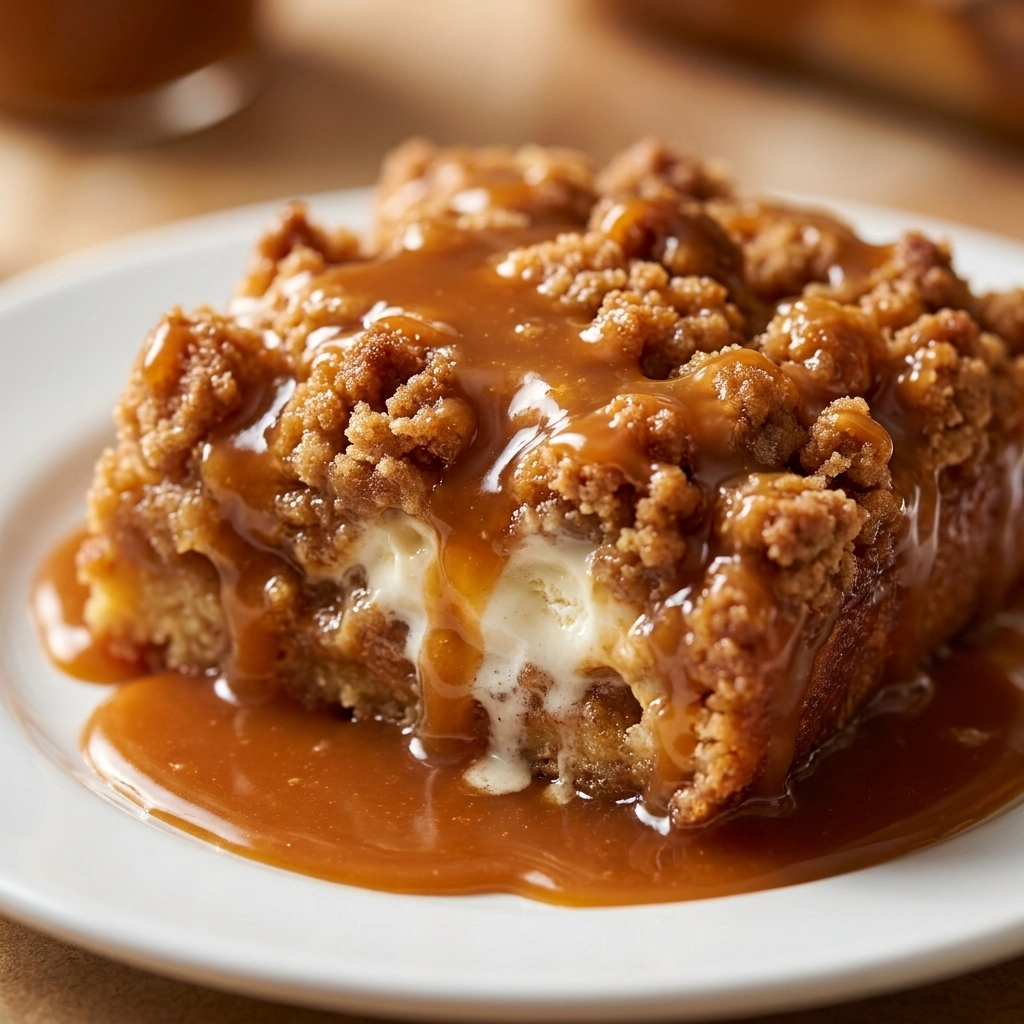
Imagine the sensory transition as the oven door opens and the air fills with a heady mix of toasted cinnamon and caramelized sugar. Listen for the subtle, rhythmic sizzling of the butter and caramel bubbling around the edges of the pan, a sound that signals the sugar has reached its peak transformation. This auditory cue is the heartbeat of the baking process, promising a texture that is simultaneously crisp and molten.
- ●Minimal effort is required since there is no traditional batter to mix.
- ●The contrast between the tart Granny Smith apples and sweet caramel is professionally balanced.
- ●It creates a stunning visual presentation with the golden-brown swirls of the cinnamon rolls.
- ●The prep time is incredibly short, making it ideal for last-minute holiday guests.
- ●Each bite offers a multi-textured experience of cakey, gooey, and fruity elements.
Essential Ingredients |
Granny Smith Apples are chemically distinct for their high malic acid content, which prevents them from turning into mush when heated. They provide the essential structural integrity and acidity to cut through the sugar.
Canned Cinnamon Rolls were an industrial innovation designed for convenience, but here they provide the yeast-leavened base and integrated spice profile. They act as the structural ‘cake’ element of the dump cake.
Caramel Sauce is essentially a controlled emulsion of sugar and fat, which adds a deep, toasted flavor. It binds the apples and the dough together into a cohesive, sticky masterpiece.
Unsalted Butter is a saturated fat that, when melted, creates a rich mouthfeel and aids in the Maillard reaction. It ensures the edges of the cake achieve a professional, golden-brown crispness.
Ground Cinnamon originates from the inner bark of Cinnamomum trees, offering an aromatic warmth. An extra sprinkle enhances the depth of the pre-existing cinnamon in the rolls.
 Let’s Make it Together |
- First, go ahead and preheat your oven to 350°F and grease a 9×13 inch baking pan so nothing sticks.
- Now, peel and slice your apples into uniform wedges; keep them about a quarter-inch thick so they cook evenly.
- Spread those apple slices across the bottom of the pan in a single, neat layer to ensure every bite has fruit.
- Drizzle your caramel sauce over the apples, making sure to cover the gaps and let it pool slightly.
- Carefully place the raw cinnamon roll dough pieces on top of the caramel layer, spacing them out so they can expand.
- Pour melted butter over the tops of the rolls and give them a light dusting of extra cinnamon.
- Slide the pan into the center rack of the oven and bake for 25 to 30 minutes until the tops are golden.
Do not over-slice the apples or they will dissolve into a jam.
Avoid using a glass pan unless you lower the temperature by 25 degrees.
Ensure the cinnamon rolls are at room temperature before placing them on the fruit.
Avoid stirring the layers together; the magic is in the distinct strata.
Wait ten minutes after baking before slicing to let the caramel set.
Perfecting the Cooking Process |
Precision in temperature is the difference between a cake and a soggy mess. Maintaining a steady 350°F (175°C) is critical because the sugar in the caramel and the starch in the rolls must dehydrate at a specific rate. If the oven is too hot, the exterior burns while the center remains raw dough. If it is too cool, the apples release too much moisture, leading to a gummy bottom.
The science of the ‘dump’ method relies on the interaction between the moisture from the fruit and the yeast in the dough. As the apples heat, they release steam that essentially steams the bottom of the cinnamon rolls, keeping them incredibly moist. Meanwhile, the dry heat of the oven toasts the top. This dual-action cooking process creates a texture that mimics a professional pastry without the need for a rolling pin.
Timing is everything. You are looking for a specific internal temperature of roughly 190°F in the center of the dough. The bubbling at the perimeter should be a deep amber color. If you pull it too early, the caramel will be too fluid; if you wait too long, the sugar will crystallize and lose its silky quality.
Add Your Touch |
For those seeking a sophisticated twist, incorporate a tablespoon of lemon juice and a pinch of salt into the apple layer. This brightens the overall profile and prevents the dessert from tasting one-dimensionally sweet. Adding a handful of toasted pecans provides a necessary crunch that contrasts with the soft dough.
If you prefer a creamier finish, swap the standard caramel for a salted caramel praline sauce. You can also substitute the Granny Smith apples with a mix of Honeycrisp and Braeburn for a sweeter, more complex fruit base. A dollop of mascarpone cheese on top after baking adds a tangy, professional touch.
Storing & Reheating |
Keep any leftovers in an airtight container in the refrigerator for up to four days. Because of the high moisture content from the apples, the cake can become soft, so storing it in a cool environment is necessary to maintain the integrity of the dough.
To reheat, avoid the microwave as it can make the dough rubbery. Instead, place a slice in a toaster oven or conventional oven at 300°F for about 10 minutes. This restores the crisp edges of the cinnamon rolls and re-liquefies the caramel sauce perfectly.
1Use a sharp mandoline for the apples to get perfectly consistent slices.
2Cold butter creates pockets of steam; use fully melted butter for a smoother finish.
3Avoid using ‘light’ caramel syrups as they lack the viscosity needed for a thick crust.
4Squeeze excess moisture from the apples if they seem too juicy.
5Rotate your pan halfway through the baking time for an even brown.
FAQ |
- ●Q: Can I use fresh cinnamon rolls instead of canned?A: Yes, you can certainly use homemade rolls, but you must ensure they are rolled and cut to size before placing them on the fruit. Be mindful that homemade dough may require an extra 5-10 minutes of baking time compared to the processed versions.
- ●Q: Why are my apples still hard after baking?A: This usually happens if the apple slices were too thick or if the oven temperature was too low. Ensure your slices are approximately 1/4 inch thick so the heat can penetrate the core of the fruit within the 30-minute window.
- ●Q: Is it possible to make this recipe vegan?A: You can make a vegan version cinnamon rolls with a vegan-certified dough and using a coconut-based caramel and vegan butter. Ensure all substitutions maintain similar moisture levels to avoid changing the chemistry of the bake.
- ●Q: Can I freeze this dessert for later?A: You can freeze the baked cake slices in parchment paper and then foil. To enjoy, thaw overnight in the fridge and reheat in the oven to bring back that fresh-baked, bubbling caramel texture.
Caramel Apple Cinnamon Roll Dump Cake: A Masterclass in Autumn Comfort
- Total Time: 45 minutes
- Yield: 12 servings 1x
Description
A decadent, easy-to-assemble dessert combining tart apples, rich caramel, and fluffy cinnamon rolls for a cozy autumn treat.
Ingredients
- 4–5 Granny Smith apples, peeled and sliced
- 1 can (12.4 oz) refrigerated cinnamon rolls
- 1 cup caramel sauce
- 1/2 cup unsalted butter, melted
- 1 tsp ground cinnamon
Instructions
- Preheat oven to 350°F and grease a 9×13 inch baking pan.
- Layer sliced apples evenly across the bottom of the pan.
- Drizzle caramel sauce over the apple layer.
- Place cinnamon roll dough pieces on top of the caramel.
- Pour melted butter over the rolls and sprinkle with extra cinnamon.
- Bake for 25-30 minutes until golden brown.
- Prep Time: 15 minutes
- Cook Time: 30 minutes
- Category: Dessert
- Method: Baking
- Cuisine: American