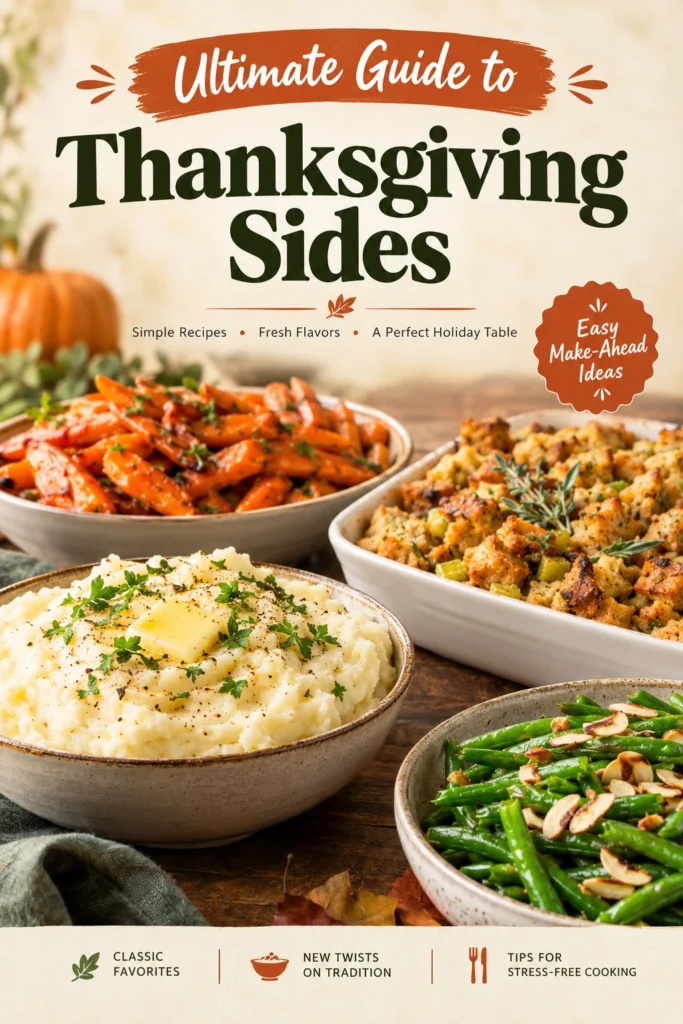
Brown butter and maple syrup create a deep, caramelized crust on root vegetables that balances the natural earthiness of parsnips and carrots. This combination works because the sugars in the honey react with the high heat of the oven to create a sticky, sweet glaze.
These Honey Roasted Root Vegetables serve as a vibrant, colorful addition to any holiday spread. They provide a necessary sweetness to cut through the saltier elements of a traditional feast.
Home cooks appreciate this dish for its versatility and visual appeal. The variety of colors on the platter makes it a centerpiece side that looks professional but requires minimal effort.
Unlike store-bought frozen medleys, these fresh vegetables maintain a distinct snap and a rich, roasted depth. The flavor is concentrated through roasting rather than diluted in a steamer.
Anyone managing a crowded oven during a holiday meal will find this recipe useful. It utilizes a single sheet pan, reducing the number of pots and pans to clean after dinner.
Preparing the vegetables in uniform sizes allows them to cook evenly without some pieces burning while others remain raw. This simple prep step removes the guesswork from the roasting process.
The following guide covers everything from selecting the best produce to achieving the perfect golden-brown finish.
- ●Why You’ll Love This Recipe
- ●A Brief Background on Roasted Root Vegetables
- ●Perfect For Festive Holiday Gatherings
- ●The Power of Root Vegetables
- ●The Role of Honey and Aromatics
- ●Key Ingredients
- ●How to Make It
- ●Pro Tips
- ●Delicious Variations
- ●Best Ways to Serve
- ●Storage and Leftovers
- ●Frequently Asked Questions
- ●Why This Recipe Belongs in Your Weekly Rotation
- ●Final Thoughts
Adding a roasted element to the table brings a level of sophistication and warmth that boiled vegetables cannot match. This recipe focuses on enhancing natural flavors with simple pantry staples.
- ●One-pan preparation reduces kitchen clutter.
- ●Natural sweetness from honey complements savory turkey.
- ●Vibrant colors improve the overall presentation of the plate.
- ●Root vegetables provide a hearty, filling texture.
- ●Ingredients are affordable and available year-round.
- ●The roasting process intensifies the natural sugars.
- ●Compatible with various types of root vegetables.
- ●Requires very little active prep time.
- ●Pairs exceptionally well with Easy Slow Cooker Stuffing The Ultimate Stress Free Thanksgiving Side Crockpot Stuffing
These vegetables offer a reliable way to ensure there is a nutritious, flavorful side dish that appeals to both children and adults.
A Brief Background on Roasted Root Vegetables |
Roasting is the preferred method for root vegetables because it triggers the Maillard reaction. This process creates the browned, savory crust that defines a classic roasted side dish.
While many traditional recipes rely solely on salt and pepper, the addition of a glaze introduces a layer of complexity. The honey acts as a binding agent, holding herbs and spices against the skin of the vegetables.
Root vegetables like carrots, parsnips, and sweet potatoes are staples of autumn harvests. Their ability to store well through winter made them historical cornerstones of holiday meals.
Modern versions of this dish often incorporate a mix of colors and textures to keep the palate engaged. Moving from the sweetness of a carrot to the slightly peppery taste of a parsnip creates a balanced experience.
Perfect For Festive Holiday Gatherings |
Holiday hosting often involves juggling multiple timers and oven racks. This recipe is ideal because it can be prepped hours in advance and popped into the oven while the main protein rests.
Family dinners benefit from the crowd-pleasing nature of roasted vegetables. The sweet glaze makes them approachable for picky eaters while remaining sophisticated enough for adult guests.
For those focusing on meal prep, these vegetables hold their structure well. They can be roasted in large batches and served as a side throughout the week alongside other comfort foods like Viral Cozy Crockpot Chicken And Dumplings Recipe To Savor Ultimate Comfort Food Classic
The Power of Root Vegetables |
Root vegetables provide a dense, satisfying texture that stands up to high heat. Carrots and parsnips are particularly effective here because they maintain their shape while softening inside.
The natural starches in these vegetables convert to sugars during the roasting process. This internal transformation creates a creamy interior that contrasts with the caramelized exterior.
The Role of Honey and Aromatics |
Honey provides more than just sweetness; it adds a floral note that complements the earthiness of the vegetables. It also helps the herbs stick to the surface, ensuring every bite is seasoned.
Fresh thyme and rosemary introduce a woody fragrance that signals the holiday season. These herbs pierce through the richness of the oil and honey, adding a necessary brightness to the dish.
Key Ingredients |
Selecting fresh, firm produce is the first step toward a successful roast. Use a combination of different roots to create visual interest and flavor depth.
- ●Carrots — These provide a reliable sweetness and a bright orange hue.
- ●Parsnips — Their slight bitterness and creamy color balance the carrots.
- ●Honey — This creates the glaze and helps with caramelization.
- ●Olive Oil — The fat carries the heat and prevents the vegetables from sticking.
- ●Fresh Thyme — This adds a subtle, lemony, and earthy aroma.
- ●Garlic — Roasted garlic cloves add a savory depth to the overall profile.
- ●Kosher Salt — This enhances the natural flavors of the vegetables.
- ●Black Pepper — This provides a sharp contrast to the sweet honey glaze.
How to Make It |
Follow these steps to achieve a perfectly caramelized finish without overcooking the delicate centers of the vegetables.
- Prep the vegetables: Peel the carrots and parsnips, then slice them into uniform batons about two inches long. Keeping the sizes consistent prevents the smaller pieces from shriveling while the larger ones stay raw.
- Combine ingredients: Toss the sliced vegetables in a large bowl with olive oil, honey, salt, pepper, and minced garlic. Ensure every piece is thoroughly coated, as the oil is what prevents the honey from burning too quickly.
- Arrange on the pan: Spread the vegetables in a single layer on a large rimmed baking sheet. Avoid overcrowding the pan, as too many vegetables will release steam and cause them to boil rather than roast.
- Add aromatics: Scatter whole thyme sprigs across the top of the vegetables. Placing them on top allows the oils from the herbs to infuse into the glaze as they heat up.
- Roast in the oven: Place the pan in a preheated oven and roast until the edges are browned and the centers are tender. Look for a deep golden color and a slightly shrunken appearance.
- Toss and turn: Flip the vegetables halfway through the cooking time using a spatula. This ensures that the side touching the hot pan doesn’t burn and that the glaze is evenly distributed.
- Final garnish: Remove from the oven and sprinkle with fresh parsley or an extra pinch of salt. Let the vegetables rest for five minutes to allow the glaze to set before serving.
1Small adjustments in technique can significantly change the final texture and taste of the dish.
- ●2Use a parchment liner to prevent the honey from sticking to the pan and make cleanup effortless.
- ●3Avoid using too much honey initially, as excessive sugar can burn before the vegetables are fully cooked through.
- ●4Pat the vegetables dry after washing and before oiling to ensure the glaze adheres properly.
- ●5Rotate the pan every 15 minutes if your oven has hot spots to ensure an even roast.
- ●6Add a splash of lemon juice at the end to brighten the flavors and cut through the sweetness.
Delicious Variations |
Depending on what is in your pantry or your dietary needs, you can easily tweak this recipe.
- ●Maple Syrup Swap: Replace honey with maple syrup for a more distinct autumnal flavor.
- ●Add Root Variety: Incorporate cubed rutabaga or turnips for a more savory, peppery profile.
- ●Vegan Alternative: Use agave nectar or brown rice syrup instead of honey.
- ●Spicy Twist: Add a pinch of cayenne pepper or smoked paprika to the glaze for a hint of heat.
- ●Cheesy Finish: Sprinkle grated Parmesan cheese over the vegetables during the last five minutes of roasting.
These modifications allow the recipe to adapt to various tastes while keeping the core roasting technique intact.
Best Ways to Serve |
The presentation of these vegetables can elevate the entire look of a holiday table.
- ●Serve in a wide ceramic platter to show off the different colors.
- ●Garnish with fresh pomegranate seeds for a pop of red and a tart contrast.
- ●Place a sprig of fresh rosemary in the center of the dish for a professional touch.
- ●Pair with a creamy sauce or a dollop of goat cheese on the side.
These vegetables are best served hot, immediately after they leave the oven. If serving as part of a larger buffet, keep them in a warming dish to maintain the glaze’s consistency.
For a lighter meal, these roots pair well with grilled proteins or as a side to Crispy Fried Zucchini Chips A Chefs Guide To The Perfect Crunch Easy Zucchini Fries during a seasonal appetizer course.
Storage and Leftovers |
Refrigerating
Store leftovers in an airtight container in the refrigerator for up to 4 days. Ensure they are completely cooled before sealing to prevent moisture buildup.
Reheating
Reheat in an oven at 350F for 10 minutes or in an air fryer for 3-5 minutes to restore the crisp edges. Avoid the microwave if you want to maintain the texture.
Freezing
While root vegetables can be frozen, the texture softens significantly. They can be stored for up to 3 months, though they are best used in soups after thawing.
Frequently Asked Questions |
- ●Q: Why are my vegetables steaming instead of roasting?A: This usually happens when the baking sheet is overcrowded or the oven temperature is too low. When vegetables are too close together, they release moisture that stays trapped on the pan, creating steam. To fix this, use two pans or increase the oven temperature slightly.
- ●Q: Can I use ba of whole carrots?A: Yes, ba well because they are already uniform in size. However, be mindful that ba often peeled and processed differently, so they may cook faster than raw, whole carrots. Keep a close eye on them during the last ten minutes.
- ●Q: How do I stop the honey from burning?A: Ensure the vegetables are well-coated in olive oil before adding the honey. The oil acts as a protective barrier and helps distribute the heat. If you notice the edges browning too quickly, lower the oven temperature by 25 degrees.
- ●Q: Which honey is best for roasting?A: A mild clover honey works best for a general sweetness that doesn’t overpower the vegetables. If you want a more robust, earthy flavor, a wildflower or buckwheat honey can be used, but start with a smaller amount to avoid an intense taste.
- ●Q: Can I roast these with other vegetables like broccoli?A: You can, but broccoli has a much shorter cooking time than root vegetables. To do this successfully, start the carrots and parsnips first, then add the broccoli to the pan for the final 15-20 minutes of roasting.
Why This Recipe Belongs in Your Weekly Rotation |
Incorporating roasted root vegetables into a regular routine provides a nutrient-dense side that is far more satisfying than steamed greens. The process is straightforward and requires minimal cleanup, making it a viable option for weeknight dinners.
Beyond the holidays, these vegetables serve as an excellent base for grain bowls or a hearty addition to a winter salad. The sweetness of the honey makes them an appealing way to increase vegetable intake for the whole family.
The ability to swap ingredients based on what is in season ensures this dish never becomes repetitive. It is a reliable, flexible recipe that brings warmth and color to any meal.
Final Thoughts |
Honey Roasted Root Vegetables combine the earthy flavors of the harvest with a sweet, caramelized glaze. This dish balances nutrition with indulgent textures, making it a staple for any festive table.
Making this side dish allows you to provide a high-impact accompaniment with very little active effort. It is a simple way to impress guests while keeping the kitchen manageable during a busy holiday.
Bring a touch of autumn warmth to your next meal by roasting a colorful medley of roots with honey and herbs.
Ultimate Guide to Thanksgiving Sides
- Total Time: 45 minutes
- Yield: 6 servings 1x
Description
A vibrant medley of carrots and parsnips roasted with honey, garlic, and fresh herbs for a caramelized, sweet-and-savory finish.
Ingredients
- 1 lb carrots, peeled and sliced into batons
- 1 lb parsnips, peeled and sliced into batons
- 3 tbsp olive oil
- 3 tbsp honey
- 3 cloves garlic, minced
- 1 tsp fresh thyme leaves
- 1 tsp kosher salt
- 1/2 tsp black pepper
- Fresh parsley for garnish
Instructions
- Preheat your oven to 400F (200C).
- Peel the carrots and parsnips and slice them into uniform pieces about 2 inches long.
- In a large mixing bowl, combine the sliced vegetables with olive oil, honey, minced garlic, salt, and pepper.
- Toss the mixture thoroughly until all vegetables are evenly coated in the glaze.
- Spread the vegetables in a single layer on a large rimmed baking sheet, ensuring they are not crowded.
- Scatter fresh thyme sprigs over the top of the vegetables.
- Roast for 30 minutes, tossing the vegetables halfway through to ensure even browning.
- Remove from the oven when the edges are caramelized and the centers are tender.
- Garnish with fresh parsley and serve immediately.
- Prep Time: 15 minutes
- Cook Time: 30 minutes
- Category: Side Dish
- Method: Roasting
- Cuisine: American