Do you really believe that artisan-quality bread requires hours of grueling kneading and professional skill?
This recipe challenges everything you know about yeast by letting a slow cooker do the heavy lifting.
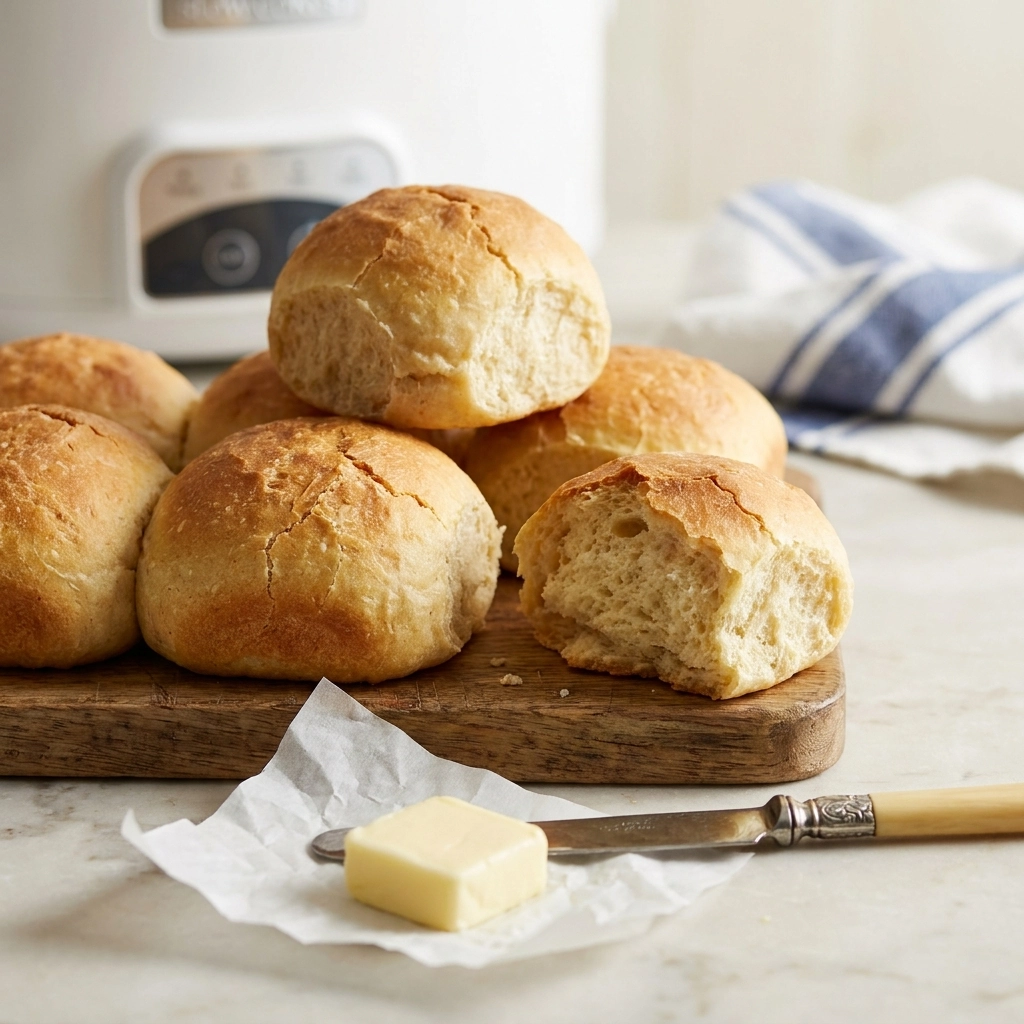
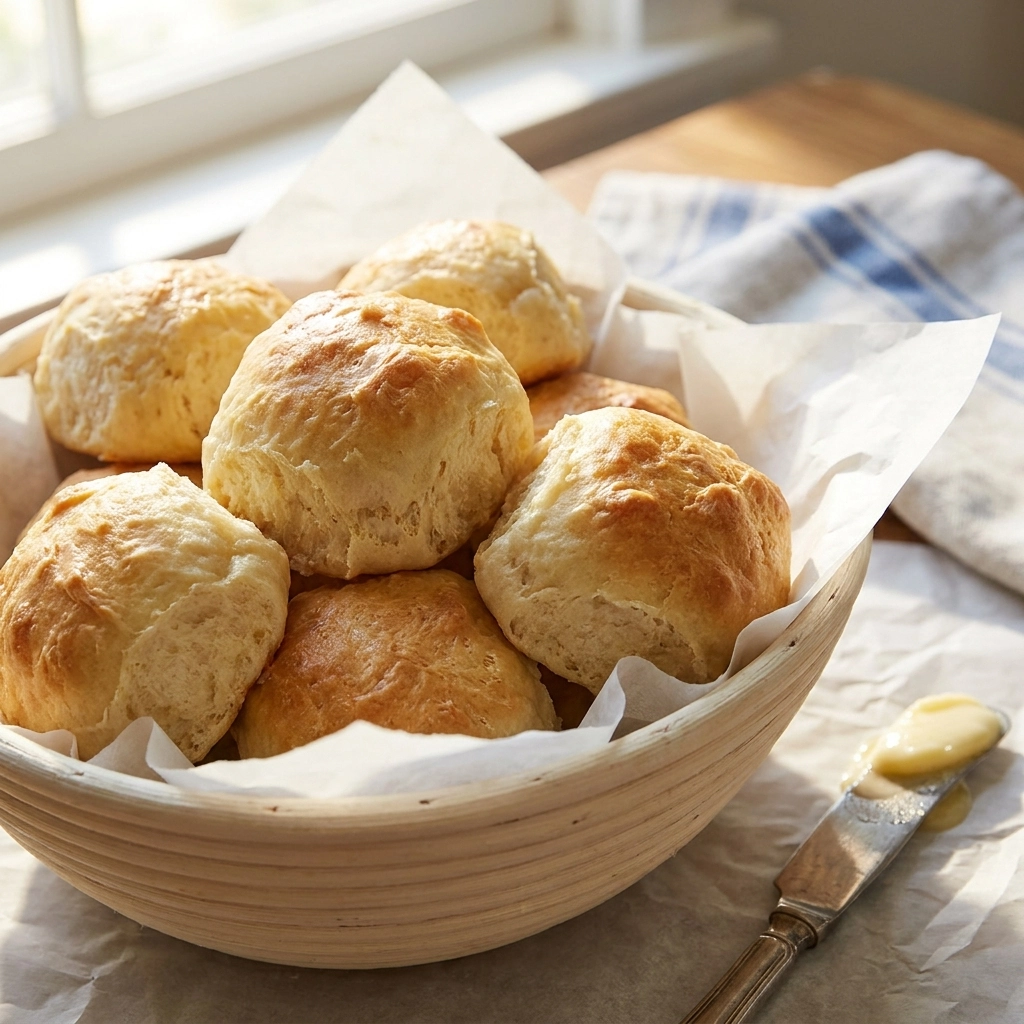
These dinner rolls are a revelation in texture, offering a cloud-like softness inside that contrasts beautifully with a lightly toasted, buttery exterior.
While traditional rolls demand a level of precision that can be intimidating, this method embraces a more relaxed, adventurous approach.
Store-bought options often feel hollow or overly sweet, but these rolls taste like a warm hug from a professional bakery.
This is the ideal solution for anyone who loves the smell of fresh bread but lacks the time or patience for traditional dough work.
Let’s dive into the magic of slow-rising dough and effortless baking. Heavenly Top Dinner Rolls Recipe Fluffy Irresistible
- ●Why You’ll Love This Recipe
- ●A Brief Background on the Science
- ●Perfect For Lazy Sunday Brunches and Holiday Feasts
- ●The Power of Bread Flour
- ●The Role of Warmth
- ●Key Ingredients
- ●How to Make It
- ●Pro Tips for Success
- ●Delicious Variations
- ●Best Ways to Serve
- ●Storage and Leftovers
- ●Frequently Asked Questions
- ●Why This Recipe Belongs in Your Weekly Rotation
- ●Final Thoughts
This recipe transforms the most stressful part of baking into a passive, relaxing experience.
- ●Zero kneading required, saving your arms and your time.
- ●The slow cooker provides a perfectly stable environment for the yeast to bloom.
- ●Incredible airy texture that rivals high-end bakery rolls.
- ●Minimal cleanup since the dough rises in one vessel.
- ●Adaptable flavor profiles for savory or sweet applications.
- ●Perfect for beginners who are scared of “killing” the yeast.
- ●A foolproof way to ensure a consistent rise every single time.
- ●The buttery aroma fills the house long before the rolls hit the oven.
- ●Budget-friendly ingredients available at any local grocery store.
- ●Impressive presentation that makes guests think you spent all day in the kitchen.
Once you experience the ease of this method, you will never go back to the manual labor of traditional kneading.
A Brief Background on the Science |
The secret here is the controlled application of low heat. In a standard kitchen, room temperature can fluctuate, leading to uneven rising or “stalled” dough. By using a slow cooker on the lowest setting, we create a humid, warm cocoon that encourages the yeast to consume sugars and release carbon dioxide more efficiently.
But here’s the thing: we aren’t actually “cooking” the bread in the slow cooker. We are using it as a high-tech proofing box. This gradual warmth allows the gluten to develop naturally over time through a process called autolyse, which means the flour hydrates and the proteins bond without you having to physically push and pull the dough.
That’s exactly why the texture becomes so pillowy. The slow fermentation creates smaller, more uniform air bubbles, resulting in a crumb that is tender yet sturdy enough to hold a generous slab of salted butter.
If you enjoy slow-cooked comfort, you might also love The Ultimate Comfort Slow Cooker Cheesy Chicken Penne Easy Crockpot Pasta Dinner
Perfect For Lazy Sunday Brunches and Holiday Feasts |
These rolls are a lifesaver for busy weeknights when you want a side dish that feels special but requires almost no active effort. You can set the slow cooker to rise while you finish other chores, meaning the oven work only happens at the very end.
For meal prep, the process is incredibly flexible. You can prepare the dough, let it rise, and then shape them just before dinner. This ensures a fresh-from-the-oven experience for your family without the midday stress.
During the holidays, the oven is usually crowded with turkeys or roasts. Because these rolls spend most of their time in the slow cooker, you free up valuable counter space and mental energy for the main course.
The Power of Bread Flour |
Bread flour is the unsung hero of this recipe. Unlike all-purpose flour, it contains a higher percentage of protein, which is essential for creating the structural “web” that traps air. This is what gives the rolls their characteristic bounce-back feel and prevents them from becoming flat or overly dense.
The higher gluten content ensures that the rolls can support the weight of the butter and sugar added to the dough. This results in a crumb that is sophisticated and professional, providing a sturdy base for any toppings you choose.
The Role of Warmth |
Warmth is the catalyst for everything in this bread. Yeast is a living organism, and its activity is directly tied to the temperature of its environment. When the temperature is too low, the yeast sleeps; when it’s too high, the yeast dies.
The slow cooker acts as a thermal regulator, keeping the dough in that “sweet spot” where the yeast is most active. This consistency eliminates the guesswork associated with drafty kitchens or overly hot apartments.
Key Ingredients |
Each element of this recipe plays a specific role in achieving that signature fluffiness.
- ●Bread Flour — Provides the structural integrity and protein needed for a high rise.
- ●Instant Yeast — The leavening agent that creates those airy pockets of joy.
- ●Warm Milk — Adds richness, a creamy color, and helps soften the crumb.
- ●Unsalted Butter — Contributes a savory depth and a tender, melt-in-your-mouth texture.
- ●Honey or Sugar — Feeds the yeast and provides a subtle, golden sweetness.
- ●Salt — Balances the flavor and controls the yeast activity to prevent over-proofing.
 How to Make It |
Embrace the process and don’t be afraid to let the dough do its own thing; the science of slow-proofing is on your side.
- Combine the base: Whisk together the flour, instant yeast, salt, and sugar in a large bowl until well incorporated. Pro tip: Sift your flour first to avoid any clumps that could create holes in your rolls.
- Integrate the liquids: Fold in the warm milk and melted butter using a sturdy spatula. Ensure the liquid is between 105°F and 115°F; if it’s too hot, it will kill the yeast, and if it’s too cold, the rise will take hours.
- Stir to a shaggy mass: Mix the dough until no dry streaks of flour remain, forming a sticky, shaggy ball. Do not overwork the dough at this stage, as we want the slow cooker to handle the gluten development.
- Slow-cook the rise: Transfer the dough into a greased slow cooker. Set the machine to the “Warm” setting for 2 to 3 hours. The dough is ready when it has doubled in size and smells slightly alcoholic and sweet. Pro tip: If your slow cooker doesn’t have a warm setting, use the lowest setting and check the temperature with a thermometer to ensure it doesn’t exceed 120°F.
- Shape the rolls: Gently turn the dough onto a floured surface. Divide the mass into 12 equal pieces and roll them into tight spheres. Be careful not to degas the dough too aggressively, as those air pockets are precious.
- Final proof: Place the spheres into a greased baking pan and let them rest for another 30 minutes. This second rise ensures the rolls are light and airy rather than dense.
- Bake to golden: Bake in a preheated oven at 350°F for 15 to 20 minutes. Look for a deep golden brown top and a hollow sound when you tap the bottom of the roll. Pro tip: Brush the tops with melted butter immediately after removing them from the oven for a professional, glossy finish.
If you are looking for more hearty slow-cooked meals, try Slow Cooker Pot Roast Recipe Best Cozy Dinner With Tender Beef Veggies Easy Beef Stew
1Small adjustments can lead to massive improvements in your final bake.
- ●2Temperature Check: Use a digital thermometer for your milk to avoid the common mistake of overheating the yeast.
- ●3The Windowpane Test: After the slow cooker rise, gently stretch a small piece of dough; it should stretch thin without tearing.
- ●4Avoid Over-Flouring: Use just enough flour on your hands to prevent sticking; too much extra flour will make the rolls dry.
- ●5Consistent Sizing: Use a kitchen scale to weigh the dough pieces for rolls that bake evenly.
- ●6Steam Boost: Place a small pan of water at the bottom of the oven to create steam, which helps the rolls expand more.
7For a different take on bread, check out Yummy Fluffy French Bread Dinner Rolls That Steal The Show
Delicious Variations |
Feel free to treat this base recipe as a canvas for your own culinary experiments.
- ●Garlic Herb: Fold in minced garlic and chopped parsley during the final shaping phase.
- ●Cheesy Bliss: Add a handful of shredded sharp cheddar to the dough for a savory, salty kick.
- ●Honey Glazed: Replace the sugar with honey and brush the tops with a honey-butter mixture after baking.
- ●Everything Bagel: Coat the tops of the shaped rolls in everything bagel seasoning before the final proof.
- ●Cinnamon Sugar: Swirl in cinnamon and brown sugar for a dessert-style dinner roll.
No matter which variation you choose, the slow cooker method ensures the base remains perfectly fluffy.
Best Ways to Serve |
These rolls are versatile and pair beautifully with almost any meal on your table.
- ●Warm they accompany a bowl of creamy tomato soup.
- ●Serve them alongside a rich pot roast to soak up the savory gravy.
- ●Pair them with a fresh garden salad for a balanced dinner.
- ●Use them as a base for mini-sliders with pulled pork or brisket.
The contrast between the warm roll and a cold pat of salted butter is a sensory experience that should never be skipped. Try serving them in a woven basket lined with a cloth napkin to keep them warm throughout the meal.
For a complete slow-cooker feast, pair these rolls with Crockpot Marry Me Chicken A Creamy Sun Dried Tomato Dream Easy Slow Cooker Dinner
Storage and Leftovers |
Refrigerating
Store leftover rolls in an airtight container in the fridge for up to 5 days. Keep them sealed tightly to prevent them from drying out in the cold air.
Reheating
Warm individual rolls in a toaster oven or microwave for 15 to 30 seconds. For the best crust, a quick flash in the oven at 350°F for 5 minutes is ideal.
Freezing
Freeze the baked rolls in a freezer-safe bag for up to 3 months. Thaw them at room temperature before reheating to restore their original fluffiness.
If you prefer a different style of roll, you might like Mouthwatering Fluffy Dinner Rolls Bake Perfect Pillows
Frequently Asked Questions |
Why This Recipe Belongs in Your Weekly Rotation |
Integrating this recipe into your routine removes the psychological barrier to making homemade bread. There is a profound sense of satisfaction in pulling a tray of golden, steaming rolls from the oven knowing you didn’t spend your entire afternoon kneading dough.
The health benefits of controlling your own ingredients—avoiding the preservatives and high fructose corn syrup found in store-bought rolls—make this a win for the whole family. It’s a small, manageable luxury that elevates any meal from ordinary to extraordinary.
Ultimately, it is about the experience of slow living. Letting the dough rise in the slow cooker reminds us that some of the best things in life take a little time and a lot of patience.
Final Thoughts |
These No-Knead Slow Cooker Dinner Rolls bridge the gap between convenience and artisan quality. steady warmth of a slow cooker, we achieve a professional rise without the physical exertion.
You should make these because they are virtually foolproof and bring an unmatched level of comfort to your dining table. The combination of a buttery crust and a pillowy center is simply irresistible.
Stop settling for mediocre bread and let your slow cooker create the magic tonight!
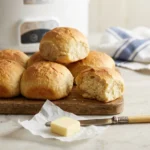
No-Knead Slow Cooker Dinner Rolls
- Total Time: 3 hours 20 minutes
- Yield: 12 rolls 1x
Description
Effortlessly fluffy dinner rolls that use a slow cooker for the rising process, eliminating the need for kneading. Perfect for a buttery, professional finish.
Ingredients
- 3 cups bread flour
- 1 packet (2 1/4 tsp) instant yeast
- 1 cup warm milk (110°F)
- 1/4 cup melted unsalted butter
- 2 tbsp honey or sugar
- 1 tsp salt
Instructions
- Whisk flour, yeast, salt, and sugar in a large bowl.
- Fold in warm milk and melted butter until a shaggy dough forms.
- Place dough in a greased slow cooker on the 'Warm' setting for 2-3 hours until doubled in size.
- Turn dough onto floured surface and divide into 12 equal pieces.
- Shape into balls and place in a greased baking pan.
- Let rise for another 30 minutes at room temperature.
- Bake at 350°F for 15-20 minutes until golden brown.
- Brush with melted butter immediately after baking.
- Prep Time: 20 minutes
- Cook Time: 3 hours (including rise)
- Category: Bread
- Method: Slow Cooker Rise & Oven Bake
- Cuisine: American